Picture a dairy farmer wandering through a barn, the air humming with the soft sounds of cattle. A red exclamation point — a 3D projection — appears hovering over one of his cows, signaling something is wrong.
Whether it’s an abnormal temperature reading, an irregular heart rate, or any unusual activity, the appearance of this indication means trouble.
This isn’t sci-fi; it’s sci-fact and the future of farm management. The farmer isn’t just equipped with rubber boots and an experienced eye — he wears an augmented reality headset. As he ponders at his cattle, data flows into his smart device, displaying real-time health updates that can identify a possible illness before it gets out of control.
Augmented Reality in Farming
Automakers, airlines, and the army already make use of augmented reality for training their staff and honing their skills; agriculture on the other hand has been playing catch up for the last few years.
Things won’t be the same for long, the technology is already here, but it hasn’t quite seen the same commercialization or economies of scale that are benefitting other sectors.
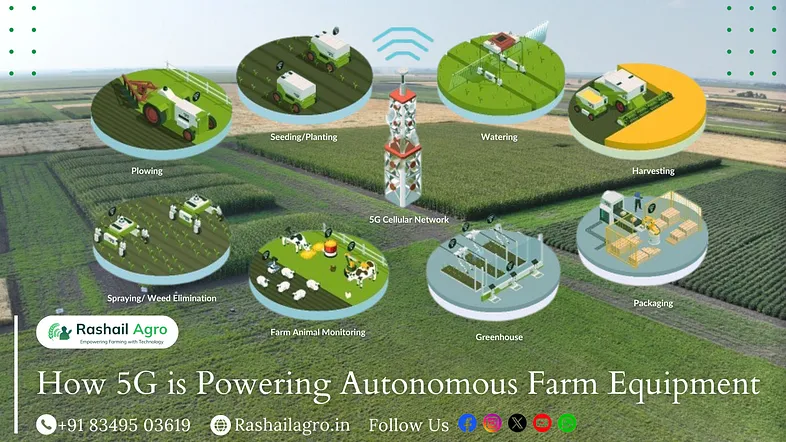
Autonomous Technology
Automation makes farming easy, more profitable and has a direct impact on farming resources.
Mechanization can also significantly improve labor efficiency — which is particularly necessary considering the global labor shortages on farms worldwide.
Precision farming
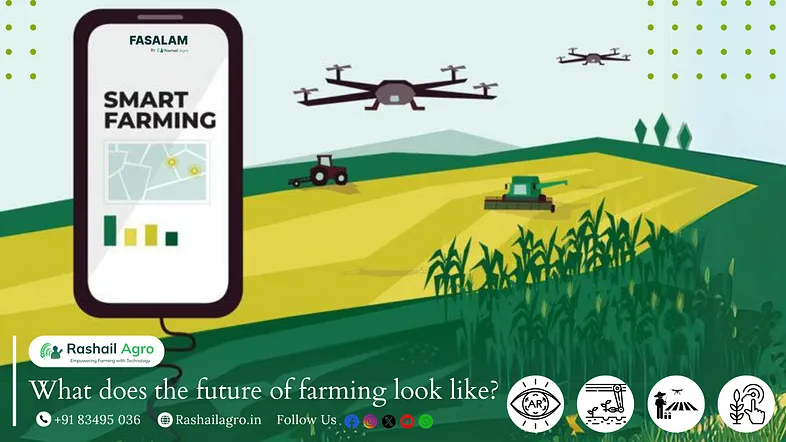
Precision farming makes use of modern technology to optimize production by monitoring factors such as soil health, crop physiology, and livestock well-being. Coupling drones, GPS, AgriBots and data to fast-track agribusiness and compete in global markets.
Controlled Environment Agriculture (CEA)
Controlled Environment Agriculture (CEA) is a term used for farms that grow their produce indoors, namely aquaponics, hydroponics, or vertical farms. CEA grows more food on less land, using remarkably little water.
Using LEDs and ‘Light recipes’ rather than sunlight, growers can use specific wavelengths tailored to the needs of each crop; improving their photosynthesis and resulting in supremely high yields.
High-tech sensors monitor changes in temperature, humidity, moisture, and even the color of veggies, to optimize irrigation, ventilation, and harvesting.
Revolution in agriculture is closer than you think
Russia’s invasion of Ukraine opened the eyes of many on how delicate our food supply really is. Within the blink of an eye, food prices shot to a new all-time high, leaving people starving in many parts of the world.
Localizing the supply chain in import-dependent countries is likely to increase, bringing fresh demand for the newest technologies in this new, blossoming market.
Advances in technology, and a greater demand for smart IoT products, mean economies of scale come into play, driving down prices and making it easier and accessible for all.