Introduction to Smart Irrigation
Smart irrigation systems represent a revolutionary approach to water management in agriculture. By integrating Internet of Things (IoT) sensors, automated controllers, and data analytics, these systems optimize water usage while maximizing crop yields.
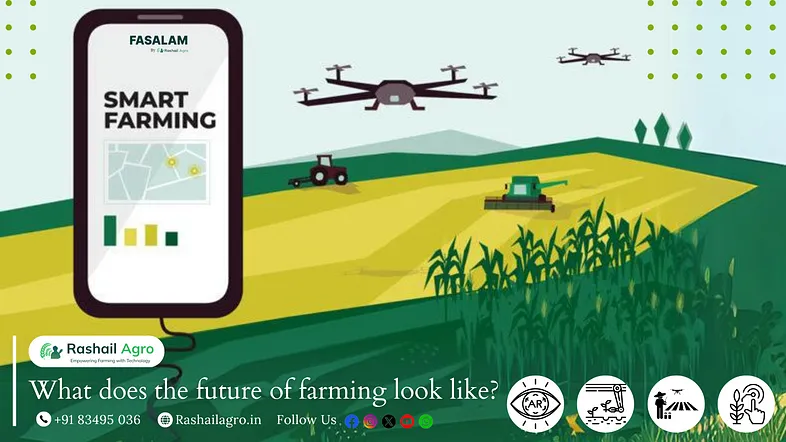
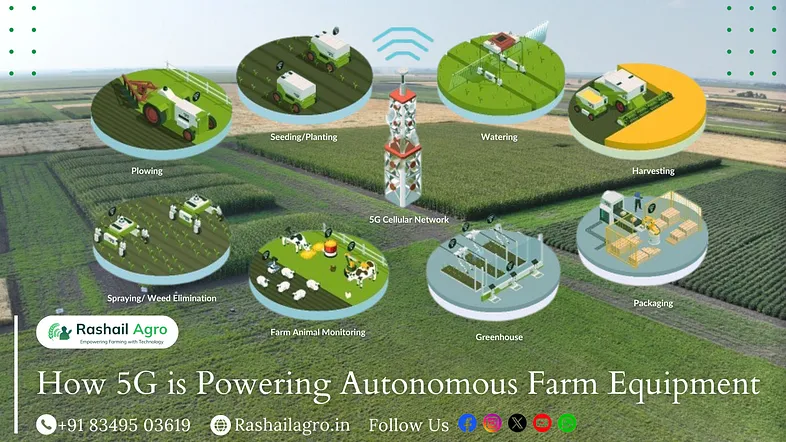
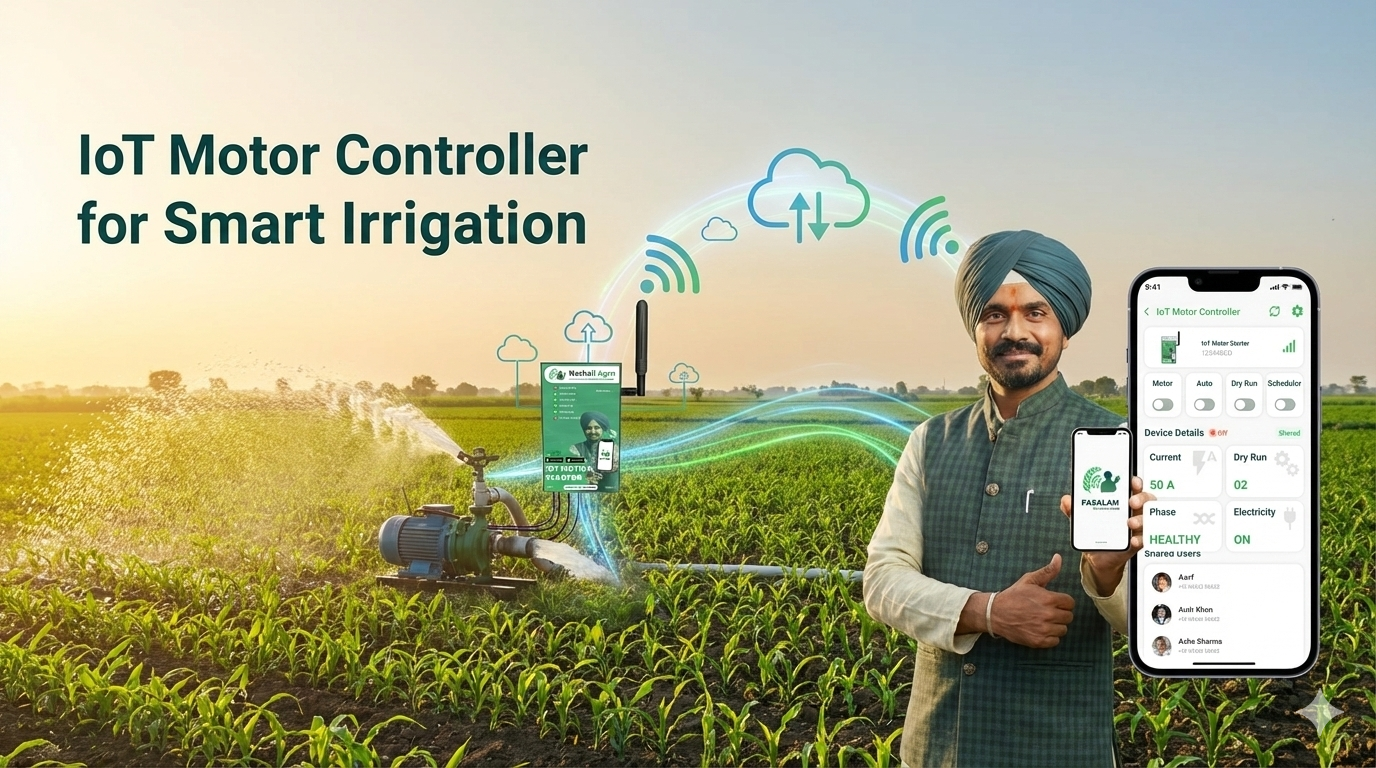
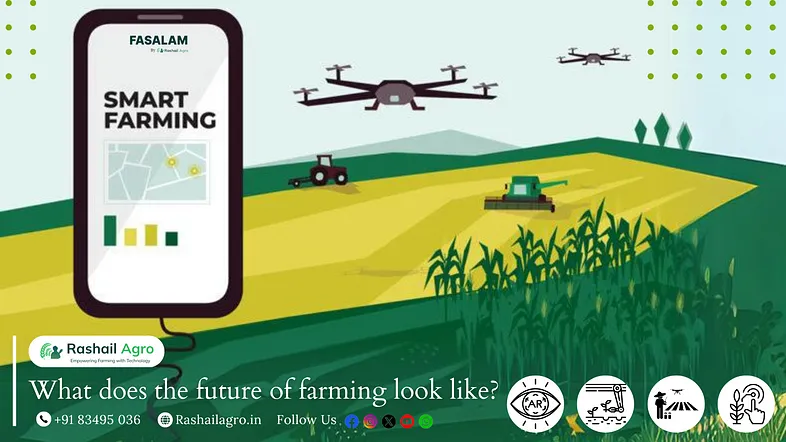
Modern smart irrigation system with IoT sensors and automated controls
Key Components
- Soil Moisture Sensors: Monitor real-time soil moisture levels
- Weather Stations: Track local weather conditions and rainfall
- Automated Valves: Control water flow based on sensor data
- Mobile Apps: Remote monitoring and control capabilities
Benefits for Farmers
Smart irrigation systems offer numerous advantages:
- Water conservation up to 30-50%
- Improved crop yields and quality
- Reduced labor costs
- Better disease prevention
- Environmental sustainability
Comparison showing water savings achieved through smart irrigation
Implementation Guide
To implement a smart irrigation system:
- Assess your farm's water requirements
- Choose appropriate sensors and controllers
- Install the system components
- Configure the mobile application
- Monitor and adjust settings as needed
"Smart irrigation is not just about saving water; it's about optimizing every drop for maximum agricultural productivity." - Agricultural Technology Expert